رولیٹ کے نظاموں کی تاریخ
دو صدیاں جن میں لوگوں نے اپنی داؤ کی رقم بدلنے کے قواعد لکھے۔
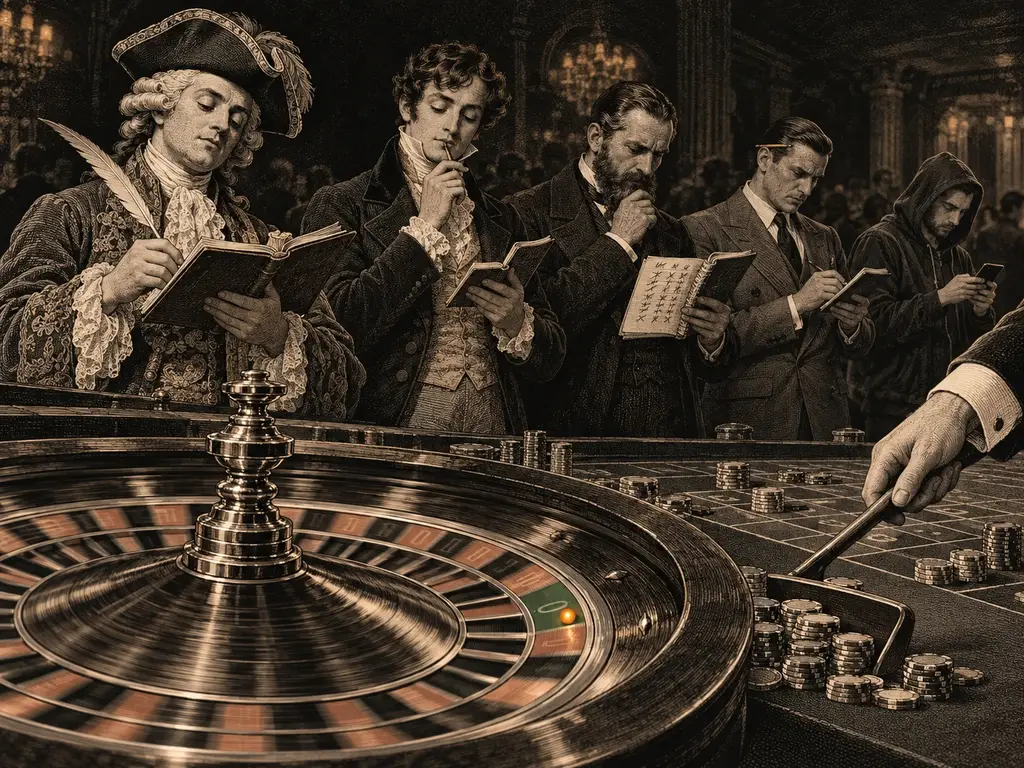
Martingale 18ویں صدی کی ہے؛ D’Alembert کا نام ایک ایسے ریاضی دان کے نام پر ہے جو اسے ناپسند کرتا تھا؛ Labouchère ایک Victorian سیاست دان کا مشغلہ ہے۔ ان میں سے کوئی تب بھی کام نہیں کرتا تھا۔
Martingale
The 1762 Académie française dictionary records martingaleحکمت عملیMartingaleداؤ بڑھانے کا نظام جو ہر نقصان کے بعد داؤ دگنا کرتا ہے۔ یہ کیا کرتا اور کیا نہیں، حکمت عملی حصے میں دیکھیں۔پورا پڑھیں → as a gambling term for staking what has been lost. Its 1878 edition explicitly describes doubling after a loss and also uses the word more broadly for betting schemes. These entries document usage; they do not identify a single inventor.
Today the familiar doubling progressionحکمت عملیداؤ بڑھانے کا نظامکوئی بھی قاعدہ جو پچھلے نتائج کی بنیاد پر داؤ کی رقم بدلتا ہے۔ منفی نظام نقصان کے بعد بڑھاتے ہیں، مثبت جیت کے بعد۔پورا پڑھیں → aims to recover previous losses and gain one starting unitرقماکائیوہ بنیادی داؤ کی رقم جس میں کوئی نظام یا کھلاڑی کام کرتا ہے۔ داؤ بڑھانے کے نظام اکائیوں میں بیان ہوتے ہیں تاکہ ہر میز پر لاگو ہوں۔پورا پڑھیں → when a win arrives. A finite bankrollرقمکھیل کا سرمایہکھیل کے لیے الگ رکھی ہوئی کل رقم۔ کھیل کے سرمائے کا انتظام یہ طے کرتا ہے کہ فی داؤ اور فی نشست اس کا کتنا حصہ خطرے میں ڈالا جائے۔پورا پڑھیں → or table limitمیزمیز کی حداجازت یافتہ کم سے کم اور زیادہ سے زیادہ داؤ۔ زیادہ سے زیادہ داؤ ہی دگنا کرنے والے نظاموں کو روکتا ہے۔پورا پڑھیں → can stop the sequence first. The Strategy section shows how those limits affect a session.
D’Alembert
The progression bearing d’Alembert’s name raises the stake by one unit after a loss and lowers it after a win. The name alone does not prove who devised or endorsed the betting rule.
Its mathematical issue is straightforward: on independent spinsریاضیآزاد اسپنہر اسپن کے امکانات گزشتہ نتائج سے قطع نظر ایک جیسے ہیں۔ اس سائٹ کے ہر حساب کی بنیاد۔پورا پڑھیں →, a run of one outcome does not make the opposite outcome due. A famous namesake does not change that assumption or the payoutرقمخالص ادائیگیجیتنے والے داؤ کی وہ خالص ادائیگی جو واپس کی گئی داؤ کی رقم کے اوپر “X to 1” کے طور پر بتائی جاتی ہے۔پورا پڑھیں →.
Labouchère
The cancellation system uses a list of numbers to determine the next stake. A win removes entries and a loss adds an entry; the Strategy section sets out the rules and examples. Historical stories about its namesake should be distinguished from evidence that the method creates an advantage.
A sequence may clear with a profit, but a losing run can leave a growing list and larger required stakes. How often it clears depends on the starting list, bankroll, limits and stopping rule. There is no universal success percentage.
20ویں صدی
A simulation can show how a specified system behaves under a chosen wheel model. It cannot test every possible rule, and a finite run need not return exactly the theoretical house edgeریاضیکازینو برتریہر داؤ کی رقم میں سے وہ حصہ جو کازینو اوسطاً رکھتا ہے: یورپی رولیٹ میں 2.70%۔پورا پڑھیں →.
For independent uniform single-zeroپہیہصفرواحد سبز نمبر خانہ جسے کوئی برابر ادائیگی، درجن یا ستون داؤ نہیں ڈھانپتا؛ کازینو برتری کا ماخذ۔ اسے ایک صفر اور 0 بھی کہتے ہیں۔پورا پڑھیں → spins with standard full-loss-on-zero payouts, each unit staked has expected net return −1/37. For a bounded session whose stakes are chosen using information available before each spin, adding the conditional expectations gives expected lossریاضیمتوقع نقصانمتوقع قدر کو کل لگائی گئی رقم سے ضرب دینے پر حاصل ہونے والی رقم؛ نشست یا مدت میں اوسطاً ہارنے والی رقم۔پورا پڑھیں → equal to 1/37 of expected turnoverرقمکل داؤ کی رقمنشست یا مدت میں کل لگائی گئی رقم، دوبارہ لگائی جیت کو گن کر۔ اسے handle یا action بھی کہتے ہیں۔پورا پڑھیں →. Stopping or changing stakes can change the distribution of results, but not create positive expectation under those assumptions. Other payouts, such as la partageقاعدہLa partageفرانسیسی قاعدہ: صفر آنے پر برابر ادائیگی کے داؤ کی آدھی رقم واپس ہوتی ہے۔ یہ ان داؤں کی کازینو برتری کو 1.35% تک آدھا کر دیتا ہے۔پورا پڑھیں →, need their own calculation.
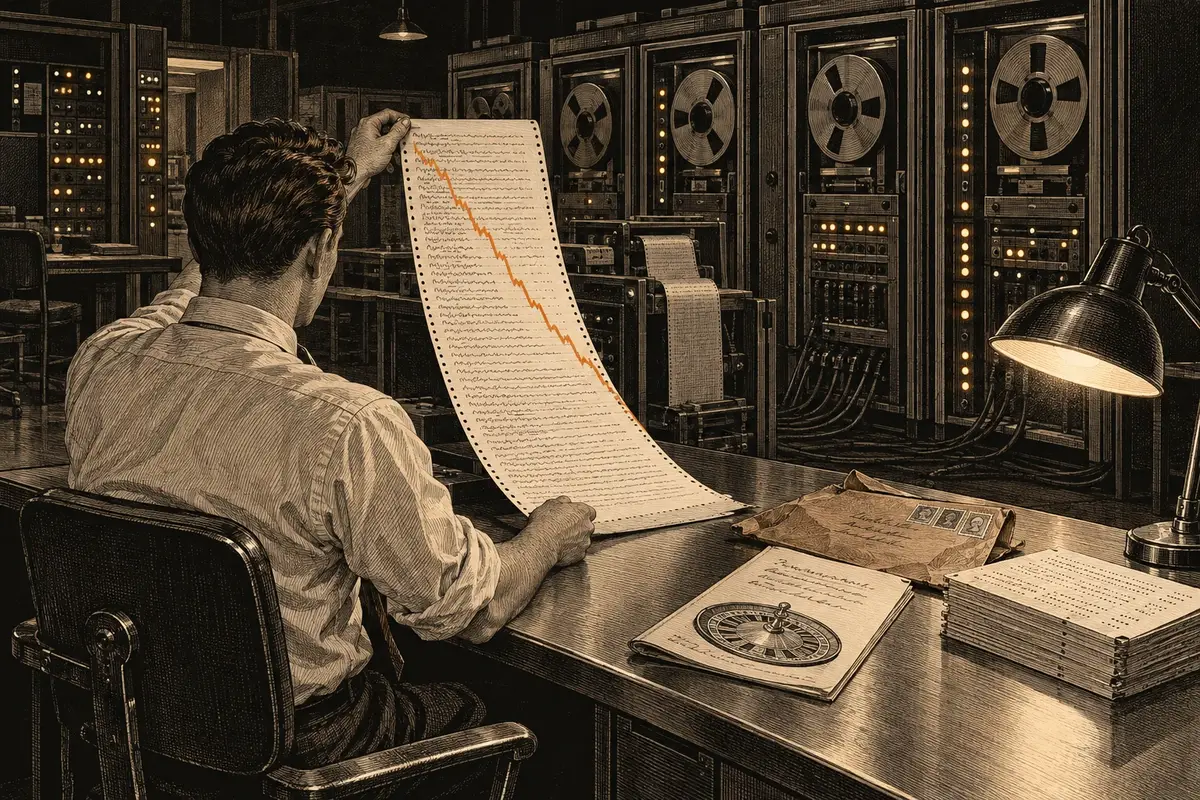
غلط فہمی: رولیٹ کی ایک حکمت عملی جو ہمیشہ جیتتی ہےFibonacci رولیٹ حکمت عملی
وہ باقی کیوں رہتے ہیں
A demonstration can end in profit without showing that the method has an edge. Some rules favor frequent small wins at the cost of occasional large losses; others do the reverse. The proportions depend on the exact rules and limits.
When comparing systems, look at all completed sessions, total stakes, losses and stopping conditions. A selected winning example leaves out the information needed to assess the claim.
| نظام | صدی | خیال تھا کہ یہ کیا کرتا ہے |
|---|---|---|
| Martingale | 18ویں | دوگنا کر کے جیت کی ضمانت |
| D’Alembert | 18ویں–19ویں | جیت اور ہار کا توازن استعمال کرنا |
| Labouchère | 19ویں | لائن کے مجموعے کی ضمانت |
| Fibonacci | 19ویں–20ویں | نرم Martingale |
| Paroli | 19ویں–20ویں | جیت کے سلسلوں پر سوار ہونا |
| شعبہ نظام | 20ویں | پہیے کا نقشہ استعمال کرنا |
فروخت کے لیے نظام
Systems have also been sold with elaborate names and entry rules. The examples below illustrate the arithmetic of specific rules; they are not evidence of who first invented or marketed them. Waiting for a pattern does not alter the next independent spin’s probabilities.
| نظام | خیال | حقیقت میں کیا ہوتا ہے |
|---|---|---|
| Phase One | پانچ سرخ کے بعد، 5، 25، 70، 200، 500 اور 1,000 اکائی داؤ کے پیمانے پر سیاہ پر داؤ لگائیں | چھٹا اسپن اب بھی 18/38 سرخ ہے؛ مسلسل چھ ہاریں، دوہرے صفر کے پہیے پر تقریباً 1 in 47، 1,800 اکائی داؤ کی قیمت رکھتی ہیں |
| صفر کا انتظار | 0 یا 00 کے بغیر 40 اسپن کا انتظار کریں، پھر دونوں پر داؤ لگائیں، ہر ناکامی کے بعد ایک اکائی داؤ بڑھائیں | On independent uniform double-zero spins, both zeros miss 40 times with probability (36/38)^40 ≈ 11.50%. The next hit probability remains 2/38. With one additional unit on each zero after each miss, ten losses cost 110 units; a hit on spin eleven nets 264 units overall. |
| Favored 5 | پانچ نمبروں کے دہرانے تک انتظار کریں، پھر ان پر داؤ لگائیں | ہر اسپن سلسلے میں تکرار ہوتی ہے؛ برقرار رکھے گئے پہیے پر وہ کچھ پیش گوئی نہیں کرتی |
| ROL / BEH گردش | سرخ، طاق، چھوٹا اور سیاہ، جفت، بڑا کے درمیان گھومتے یکساں برابر ادائیگی کے داؤ | آزاد داؤ کی ایک لڑی، ہر ایک مکمل برتری پر |
| Bartschelly کا “Guaranteed” نظام | ایک Labouchère جو ہر نقصان کو آخر میں شامل کرنے کے بجائے موجود نمبروں پر پھیلاتی ہے | لائن کبھی لمبی نہیں ہوتی؛ داؤ کی رقم پھر بھی بڑھتی ہے |
وہ جو نظام نہیں
رکنے کے قواعد: پہلے سے طے کرنا کہ کتنا ہارنا یا جیتنا ہے اور چلے جانا۔ انہیں اکثر نظام کا حصہ بنا کر بیچا جاتا ہے اور یہی واحد حصہ ہے جو کچھ کرتا ہے، کیونکہ یہ کل داؤ کی رقم کم کرتا ہے۔ ان کا کوئی نام والا شخص نہیں، جو مناسب ہے۔
سوالات
Martingale، ایک صدی یا اس سے زیادہ پرانی۔ نقصان کے بعد دوگنا کرنا پہلا خیال ہے جو ہر کسی کو آتا ہے۔
D’Alembert اتفاقاً سب سے قریب آیا۔ Pascal، Fermat، Huygens، Bernoulli اور Laplace سب نے بتایا کہ وہ کیوں ناکام ہوتے ہیں۔
کیونکہ زیادہ تر نشستیں جیتتی ہیں، اور جیتنے والی نشست کی ویڈیو بنانا سستا ہے۔
مزاحیہ وقفہ
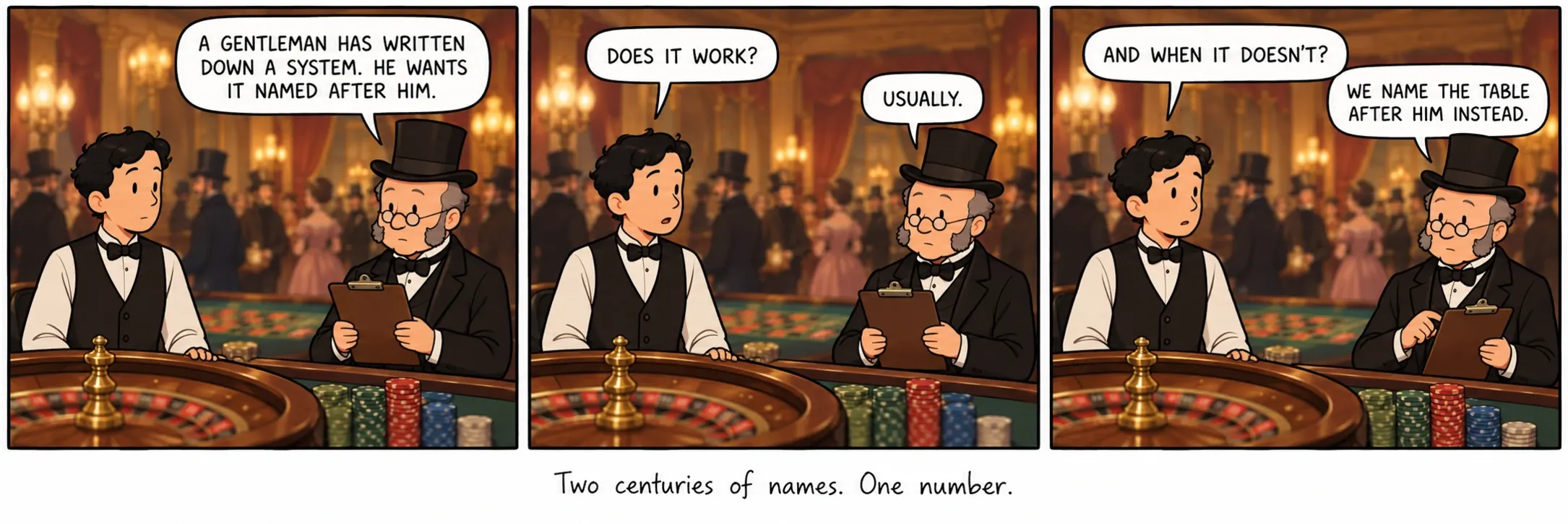
دو صدیوں کے نام۔ ایک عدد۔
ذرائع
- Thorp, E. O. “Optimal gambling systems for favorable games.”
- Thorp, E. O. The Mathematics of Gambling.
- Doob, J. L. “Note on probability.”
- Halmos, P. R. “Invariants of certain stochastic transformations: the mathematical theory of gambling systems.”
- d’Alembert, J. “Croix ou pile.”
- Schwartz, D. G. Roll the Bones: The History of Gambling.
- Kavanagh, T. M. Dice, Cards, Wheels: A Different History of French Culture.
- Bollman, M. Mathematics of the Big Four Casino Table Games: Blackjack, Baccarat, Craps, & Roulette.
- Académie française، martingale، 1762
- Académie française، martingale، 1878